


Traditional analytics stacks require switching between tools for cleaning, exploration, and modeling causing workflow disruptions and integration hassles.

Legacy tools often miss feature importance and data relationships, leaving teams guessing which variables really influence healthcare outcomes.

Analysts often spend hours on repetitive cleaning and structuring tasks — slowing down insights and wasting valuable time meant for diagnosis and action.

Without real-time profiling and anomaly detection, critical patient risks and trends go unnoticed until it's too late, affecting both outcomes and decisions.
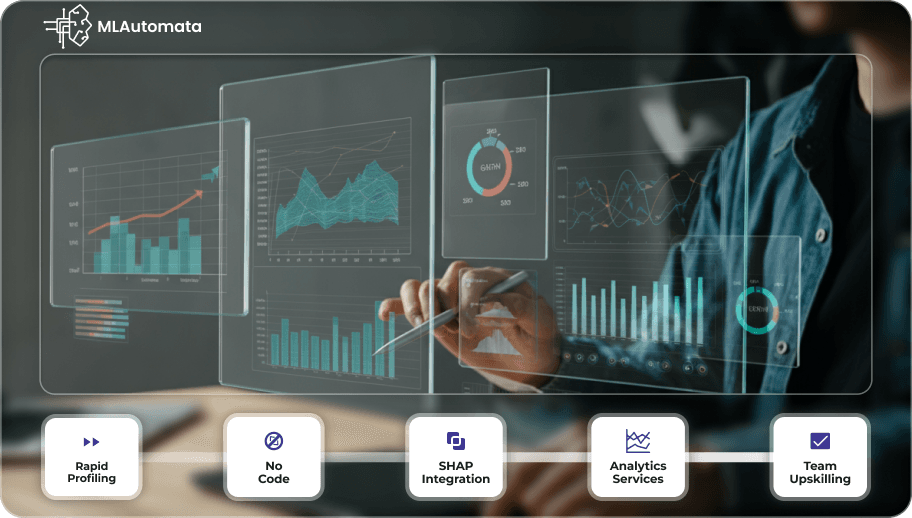
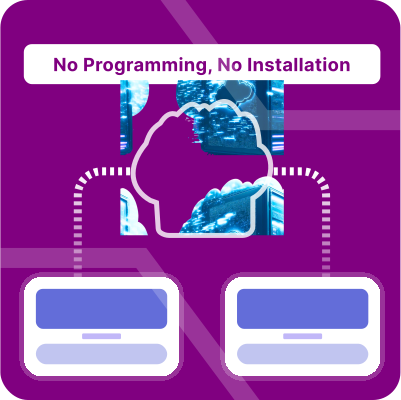
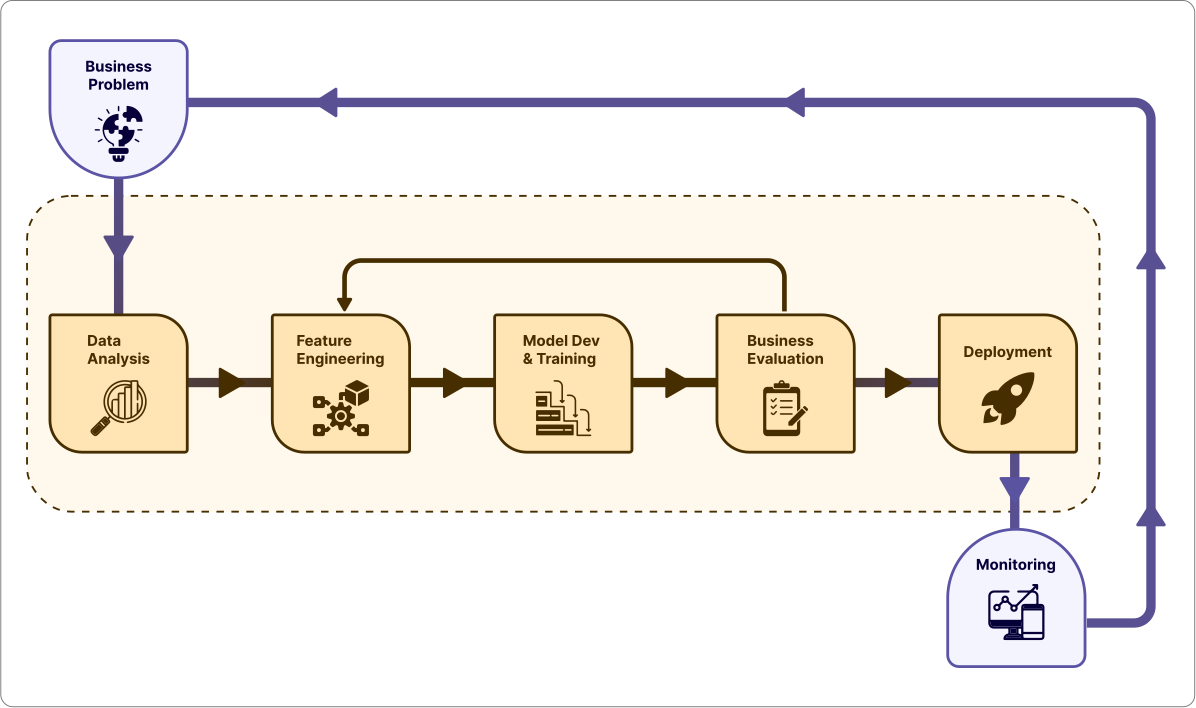
MLAutomata is a no-code platform that helps businesses adopt machine learning faster, without the need for deep technical skills.
Smarter ML Made Simple
From data prep to model deployment, MLAutomata offers ready-to-use tools, built-in explainability, and expert support to simplify the entire ML workflow.
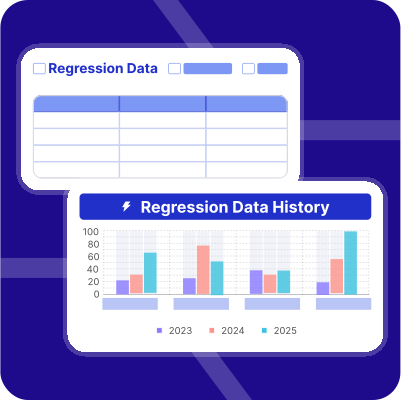
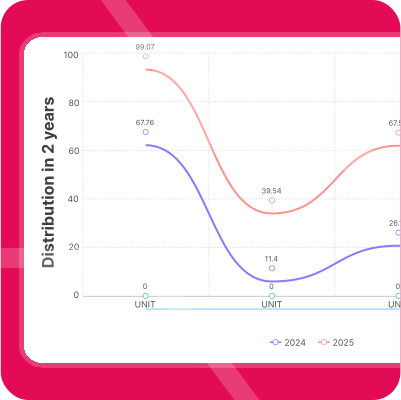
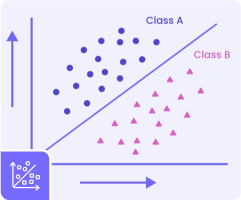
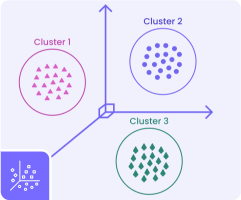



- Client's existing suite of solutions are based on traditional rules engine that raise alarms, which need to be investigated further manually. The more alerts raised, higher the effort to investigate and conclude. The main aim of this model is to reduce the number of false positives generated from the Rules Engine model. The solution includes exploratory data analysis, statistical analysis, classification and anomaly detection techniques to reduce false positives and detect fraudulent transactions with higher accuracy.False Positive Reduction (FPR) model has reduced the number of false positives by 73%. This will significantly reduce the efforts of the investigators and also in reducing missing all the suspicious or fraudulent transactions.
- Today brand teams have many different channles and tactics at their disposal for building brand equity and boosting sales. However, with the increasing complexity of the promotional landscape it becomes critical to make data-driven decisions about how much to invest in each channel.PMM informs marketing strategy and tactics by helping brand teams understand the effectiveness of each marketing channel such as advertising, in-store, direct-to-customer (DTC), digital and social media





Manpower cost, if krtrimaIQ’s data scientists have to develop the models

Number of different data sets used in a given application and volume of data used to train each of the models

Each algorithm used to train the model, is considered as one model.