Laptop Price Prediction
We developed a handy tool that uses machine learning to predict laptop prices accurately, considering factors like RAM, ppi, and OS, assisting buyers in finding the best value for their budget.

Contents
- Introduction
- Objective
- Solution
- Data Analysis
- Model
- Explainability
- Conclusion
Introduction
The Objective of the study is to build a regression model to predict laptop prices based on the specifications of it. similar models can be built based on the specifications of other products as well. The main aim is to demonstrate the use of MLAutomata in building regression models without any code. MLAutomata is an autoML platform where one can build various machine learning problems without any code and also one can build models in a short amount of time. MLAutomata contains 6 modules
All these modules can be used in building different machine learning algorithms based on the business problem. However in this particular example we will see how build a regression model within the MLAutomata and also how to get Laptop price predictions and also explanations. The main objective of the study is to build a predictive model which can predict laptop prices as accurately as possible.
- Regression
- Classification
- Anomaly detection
- Clustering
- Time Series Analysis
- Recommendation Systems
Objective
Predicting laptop prices accurately is crucial for consumers, as it helps them make informed purchasing decisions based on their budget constraints and desired features. For manufacturers, price prediction enables them to optimize pricing strategies, adjust inventory levels, and anticipate market demand more effectively.
Solution
Technologies Used :
MLAutomata
Data Analysis
The dataset sourced from Kaggle contains information about various laptop models, including features such as processor type, RAM size, hard disk size, screen size, GPU details, operating system, and price. The dataset provides a comprehensive set of attributes that can be used to build a predictive model for estimating laptop prices.
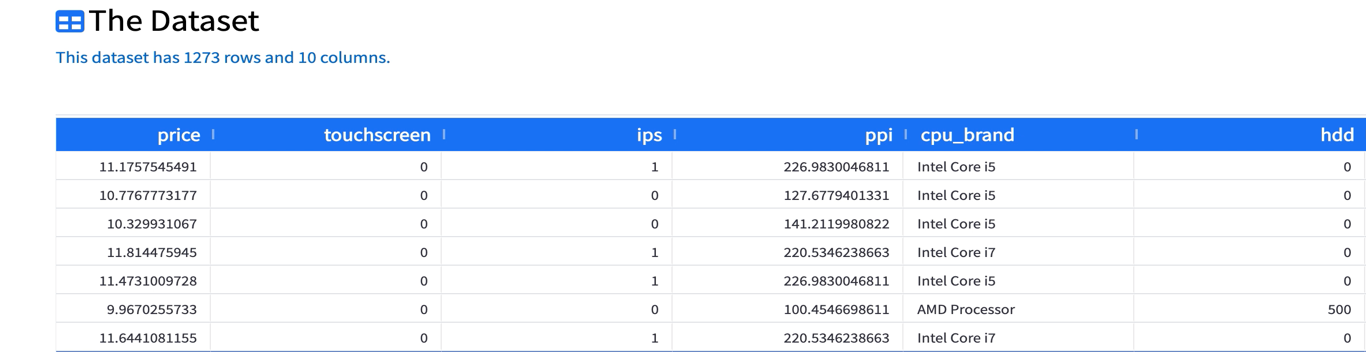
The dataset comprises both numerical and categorical features. Numerical features include attributes such as RAM size, hard disk size, screen size, and price, while categorical features include processor type, GPU details, and operating system. Each feature contributes to the overall specification and pricing of a laptop. The data set was collected from kaggle, and it contains 1273 rows and 12 features.
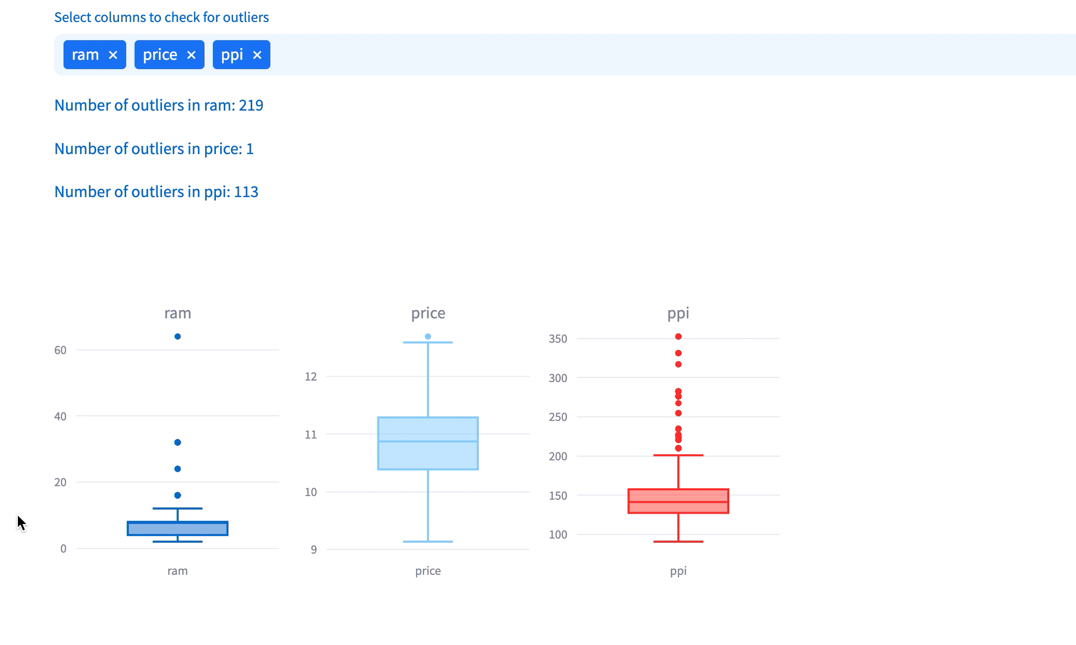
The Correlation plot shows us that Ram, SSD, and ppi are highly correlated with price so these three features are good to include i the model. Some of the categorical features like the company, typename and gpu_brand are removed from the data just to simplify the model. removal of these three features are nothing to do with the outcome of the model.
Model
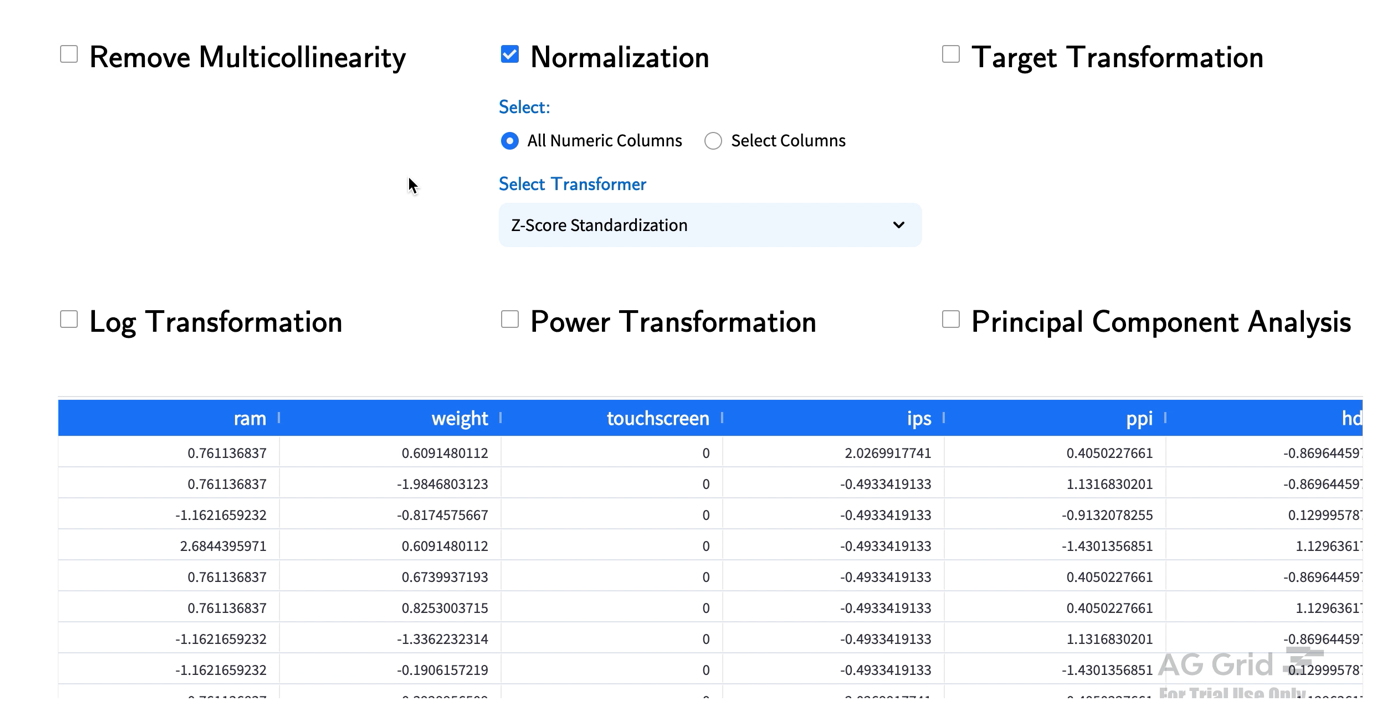
The dataset is divided into training and testing sets using a 80-20 split, ensuring that the model is trained on a sufficiently large portion of the data while retaining a separate set for evaluation.
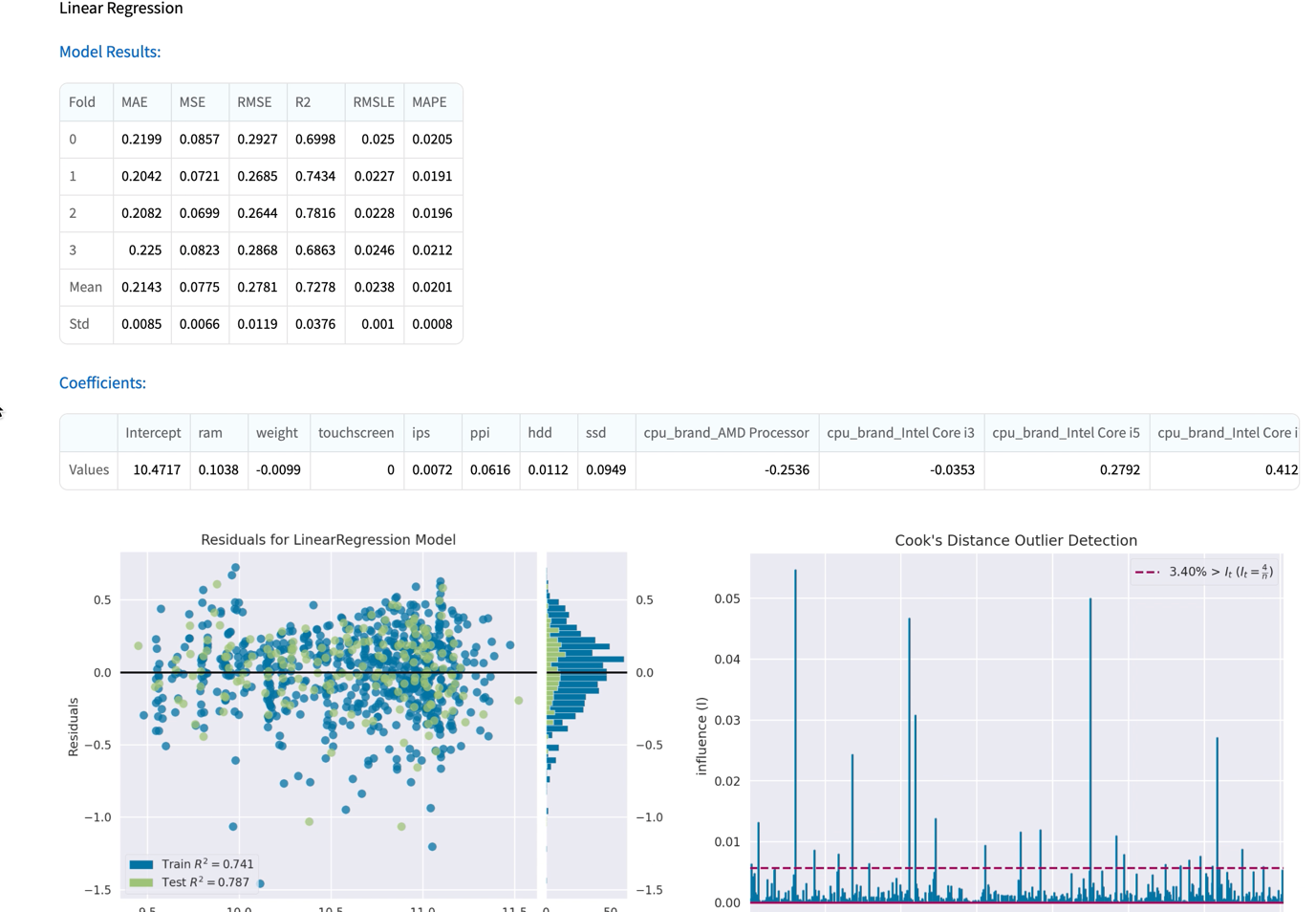
We have used multiple linear regression and Random Forest Regressors to get the predictive models to predict the laptop prices with 4 folds of cross validation. These algorithms are chosen based on their suitability for the task and potential to capture complex relationships within the data. test R2 of linear regression was 78.7% and test R2 of Random Forest Regressor was 78.6%. so the performance of both of the models were similar.
Explainability
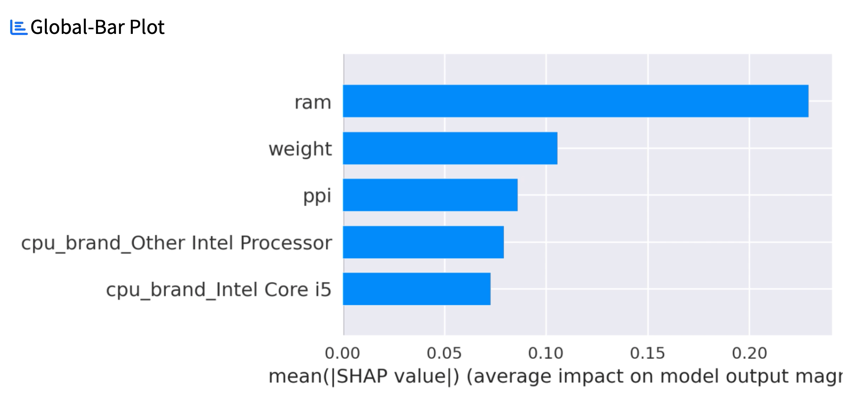
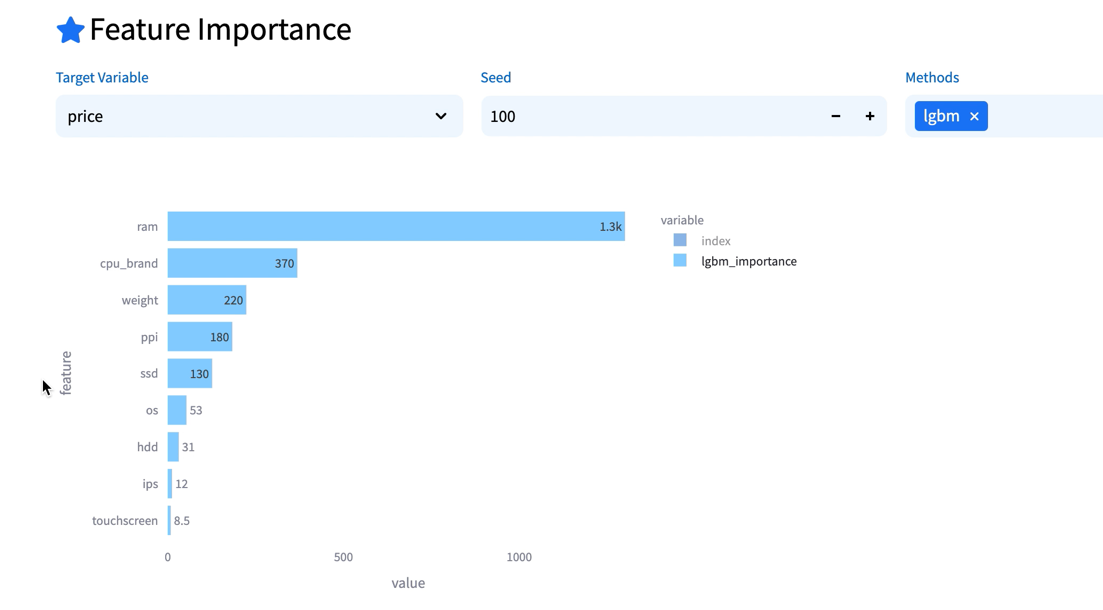
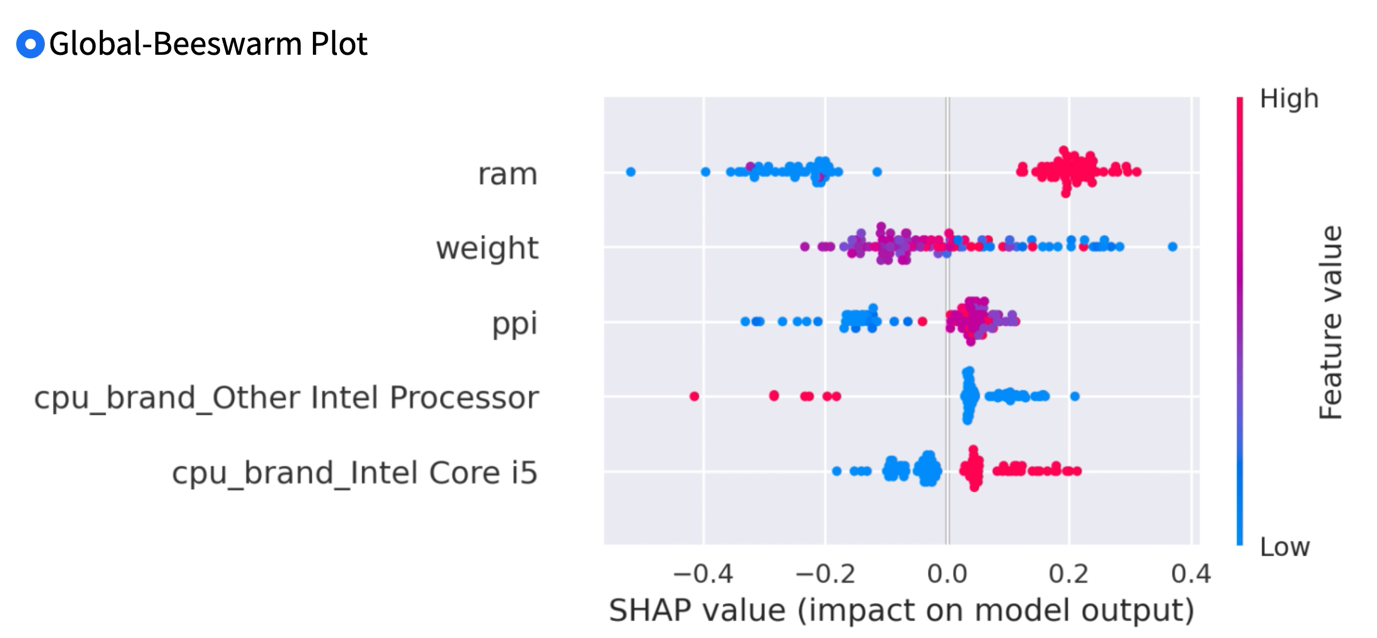
The global explainability plots showed that Ram, weight and ppi are the 3 most important features in determining the prices of a laptop. beeswarm plots reveal that Ram and ppi are positively related with price but weight is negatively related in predicting the prices of a particular laptop
Conclusion
In conclusion, we have successfully built a predictive model for estimating laptop prices based on their specifications. The model demonstrates promising accuracy and can provide valuable insights for both consumers and manufacturers in the laptop market.

Contact Us
Your response has been saved. Thank you.
We will reach out to you shortly.

Read More
See the latest of our technologies in our blog section.
The Hidden Costs of LLM APIs That Per-Token Pricing Doesn’t Tell You
This article is part of a series on buildi ...
How We Unified Three LLM Providers Behind One Interface
This article is part of a series on buildi ...
Your LLM Prompt Won’t Save You From This
This article is part of a series on buildi ...

© 2026 krtrimaIQ Cognitive Solutions. All Rights Reserved
Email: info@krtrimaiq.ai